Social commerce in early 2026 splits into two very different stories: TikTok Shop, which launched in the United States in September 2023, has become a real sales channel for a subset of brands, while Instagram and Facebook have scaled back earlier shopping ambitions, removing dedicated shop tabs and de-emphasizing in-app checkout. The evidence for "social commerce is the future" claims comes mostly from platform announcements and vendor forecasts, not from independent retail data, and marketers comparing 2023 hype with 2025 reality are right to ask what changed.
Which social commerce features are actually being used?
Short-form video with tagged products, live shopping events run by brands with existing audiences, and creator-affiliate storefronts are the three formats with documented repeat usage. In-app native checkout, once positioned as the core of Facebook and Instagram commerce, has instead contracted: Meta removed the Instagram shop tab as part of its 2023 interface redesign and shut down Facebook's live shopping features in October 2022, pushing merchants toward on-site checkout and DM-based selling instead.
The usage gap matters because feature launches are announced loudly and retirements are not. When a platform says a new shopping surface has hundreds of millions of monthly visitors, that number usually counts people who saw a product tile, not people who bought something. Conversion data, when platforms share it at all, tends to come from case studies selected by the platform's own partner team. Three questions separate real adoption from press-release adoption: Is the feature still in the app a year later? Do merchants of different sizes report repeat usage? Does any third-party retail measurement confirm the volume?
What happened to Meta's shopping ambitions?
Meta's retreat is the clearest documented case of a platform walking back social commerce. Facebook discontinued live shopping in October 2022, Instagram removed its shopping tab from the main navigation in 2023, and in 2024 Meta began winding down the checkout option it had spent years building in the United States, directing shops toward linking out to their own sites. The company said the change simplified the experience for people and businesses, but the sequence tracks with reporting across Bloomberg and Reuters on underperforming commerce efforts and a broader cost-cutting reset.
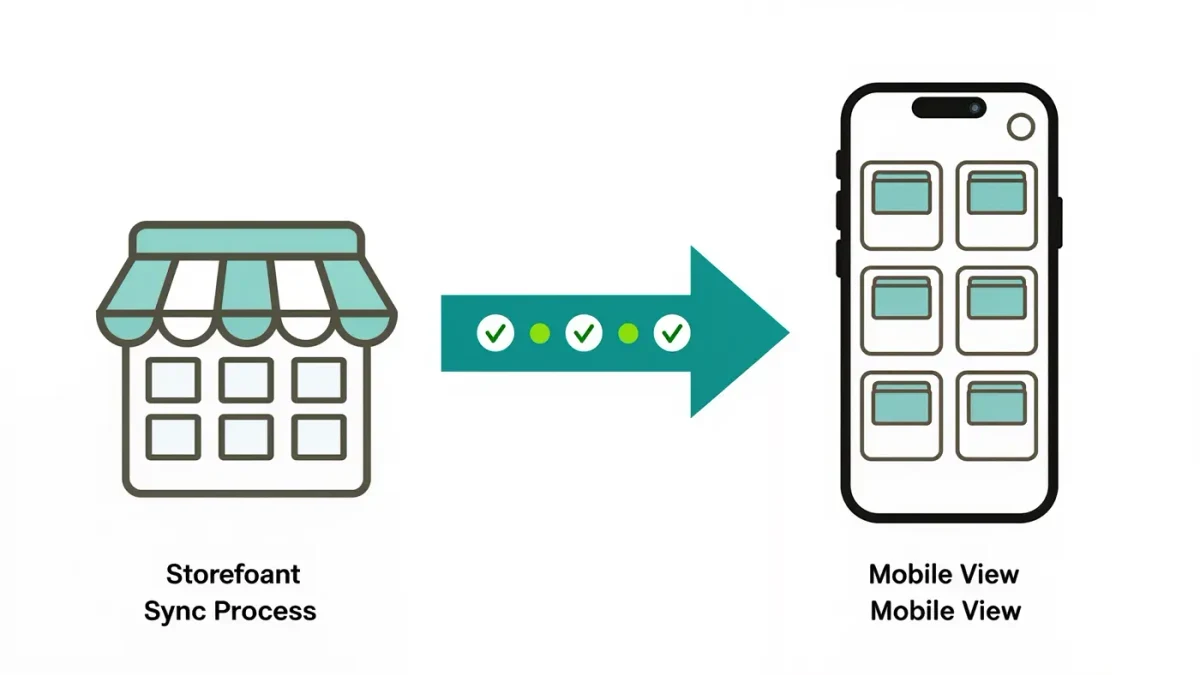
Instagram did not abandon commerce entirely; it repositioned it around messaging and ads. Product tags remained, sponsored content remained, and DMs became the practical storefront for small brands, an evolution consistent with Meta's stated pivot of 2023 toward messaging as a business surface. The lesson for marketers is structural rather than Meta-specific: checkout features are expensive infrastructure, and platforms retire them when unit economics disappoint, which is why routing social demand to a retailer's own site has proven the more durable architecture.
Why did TikTok Shop behave differently?
TikTok Shop combined entertainment feeds, affiliate commissions and fulfilled checkout in one loop, closer to the model that already worked at scale in China on Douyin, and it compounded fast in the US and UK after its September 2023 American launch. The platform says millions of Americans bought through TikTok Shop in the holiday period after launch, and trade reporting through 2024 and 2025 consistently described it as the one Western social checkout surface generating repeat purchasing at volume, particularly in beauty, supplements and low-price impulse categories.
The caveats are as documented as the growth. Brands describe margin pressure from affiliate fees and discounting, elevated return rates on apparel, and policy risk: the 2024 US divest-or-ban law, upheld by the Supreme Court in January 2025, created genuine uncertainty about the platform's American future even as negotiations extended its operation. Attribution is also contested, because a TikTok Shop sale is sometimes demand that would have gone to the same brand's Amazon listing. Marketers treating TikTok Shop as incremental, rather than shifted, revenue are working from an assumption, not a measurement.
What do the numbers claims actually measure?
Headline social commerce figures usually aggregate three different things: discovery (users who saw products), consideration (users who clicked) and transaction (users who bought). Forecasters such as eMarketer and Coresight Research have published widely quoted projections of American social commerce sales growth, but these are model estimates built on platform-reported inputs, not observed receipts, and the firms themselves flag category definitions that shift between reports. China's livestream commerce numbers, often cited as a benchmark for the West, measure a market with different logistics, pricing and platform governance.
| Feature | Status as of late 2025 | Evidence quality |
|---|---|---|
| TikTok Shop (US) | Active, growing, policy risk unresolved | Platform-reported plus consistent trade reporting |
| Instagram in-app checkout (US) | Being wound down; link-out favored | Platform statements, 2024 |
| Facebook live shopping | Discontinued October 2022 | Platform announcement |
| Product tags in video | Widely active across platforms | Usage reported by merchants, uneven measurement |
| Pinterest shoppable pins | Active, intent-driven positioning | Platform case studies |
How should marketers decide where to invest?
Base the decision on retrievable evidence: run geo-split or holdout tests where possible, require incrementality language in every platform pitch, and discount any forecast that does not publish its category definitions. Treat creator-affiliate selling as a media buy with performance pricing rather than as infrastructure, because affiliates can be redirected when a feature or platform changes. And underweight features younger than a year, since Meta's reversals demonstrate that a feature's existence in the app is itself a hypothesis the platform may retire.
The honest summary of three years of Western social commerce is asymmetric. One platform built a functioning checkout business with real regulatory risk attached; the largest platform family tried, retreated, and rebuilt around ads and messages; and most brands still convert social demand on their own sites. That is progress compared with the 2021 thesis, but far short of the headline forecasts, and the difference between those two things is exactly what an evidence check is for.