Employee Advocacy Social Media — Employee Advocacy on Social Media: Your Team as Amplifiers
A practitioner guide to employee advocacy: opt-in guidelines, incentives that hold up and measurement that a finance team will accept.

A practitioner guide to employee advocacy: opt-in guidelines, incentives that hold up and measurement that a finance team will accept.
The first 100 members come from manual invites and repeat rituals, not content volume. The playbook, with platform tradeoffs and the research numbers behind them.
Audience research, goal setting, channel choice and measurement — where most plans hold up, and where they fall apart.
What belongs in community guidelines for social media brand pages: conduct clauses, a consequences ladder, appeal paths, and the platform filters that do the heavy lifting without silencing fans.

Documented short-form video production costs by format: self-shot time costs, freelance day rates, agency per-piece ranges, and what each band buys in output.

A single article can feed five platforms for a week if teams atomize it deliberately, not mechanically.

A camera-shy creator's guide to simple, repeatable video formats that survive a busy quarter.

Evok Advertising's guide leans on HubSpot and Content Marketing Institute data. The diagnosis is familiar; the evidence behind the fix is thinner.

Deflection and engagement run through the same forum with opposite goals. Where the metrics split, what published cost data says, and what community teams inherit.

Recurly's 2026 medians put annual churn at 3.60% across subscriptions. What published pricing and churn data says about paid community retention.

The most common pay bracket is $100,000 to $149,999, technology leads hiring at 44%, and most teams run two to five people. What the CMX surveys show about climbing the community career ladder.

Creator spend rose 23.7% in 2024 while deinfluencing test clips cut brand favorability by 20 points. What two years of data actually settled.

Retro formats recur because they trade on recall and comfort, not novelty — and that trade has structural advantages brands keep rediscovering.

Low-production text formats are back in brand feeds. The audience is narrower than the hype suggests, and the economics only work with a testing discipline.
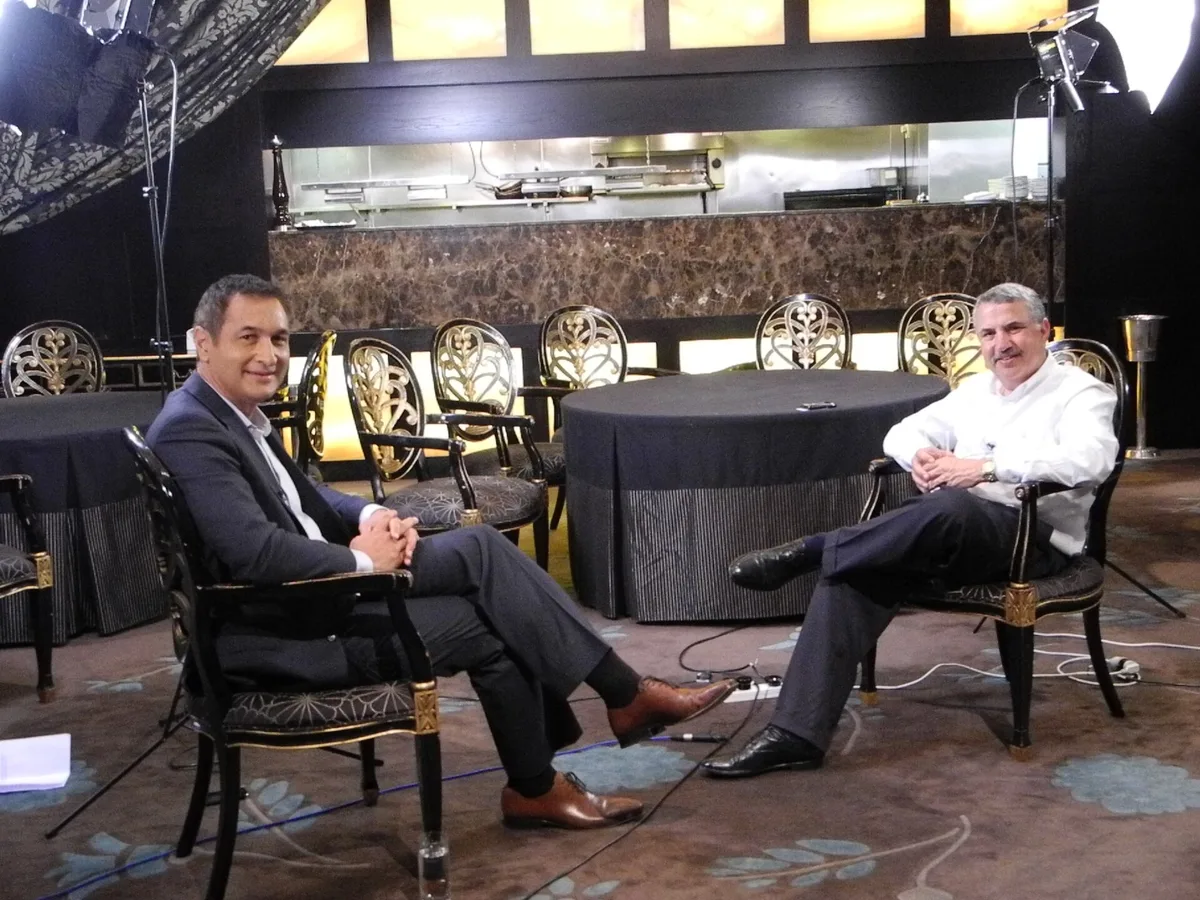
A working guide to turning interview transcripts into long-form personality profiles with narrative shape, scene, and structure.

Platform statements about social media algorithm changes follow a pattern. Reading that pattern is a measurement skill, not cynicism.

A profile banner is often the first brand asset a visitor sees. The design choices that make it work are few, and mostly mechanical.