User-generated content is never free for brands to reuse: the customer who shot the photo owns the copyright the moment it is created, and a brand needs an explicit license — written permission stating what content, for what uses, for how long — before it appears in a feed, an ad or a store display. The regulatory floor is also explicit: the FTC's endorsement guides, updated in 2023, require clear disclosure of material connections and apply to brand use of consumer content in advertising. The operating rule for teams is simple to state and consistently expensive to skip: if the permission is not written down, the license does not exist.
MY NEW SOCIAL MEDIA publishes information, not legal advice. Licensing terms, platform policies and regulatory guidance vary by jurisdiction and change over time; brand teams should route contracts and disputes to qualified counsel.
Who Owns a Customer's Post?
The customer does. Under copyright law as it operates across major jurisdictions, including the United States, copyright attaches at creation — the photo, video caption or review is the author's work the moment it is fixed. Posting it publicly on a social platform grants the platform a broad license under the site's terms, per every major platform's user agreement, but that license runs to the platform, not to other users or to brands. Reposting is not covered by courtesy norms, hashtags like #share or a tag of the brand's handle. A tag implies the customer wanted the brand to see the content; it does not transfer any right to copy, adapt or commercialize it.
What Rights Does a Brand Actually Need?
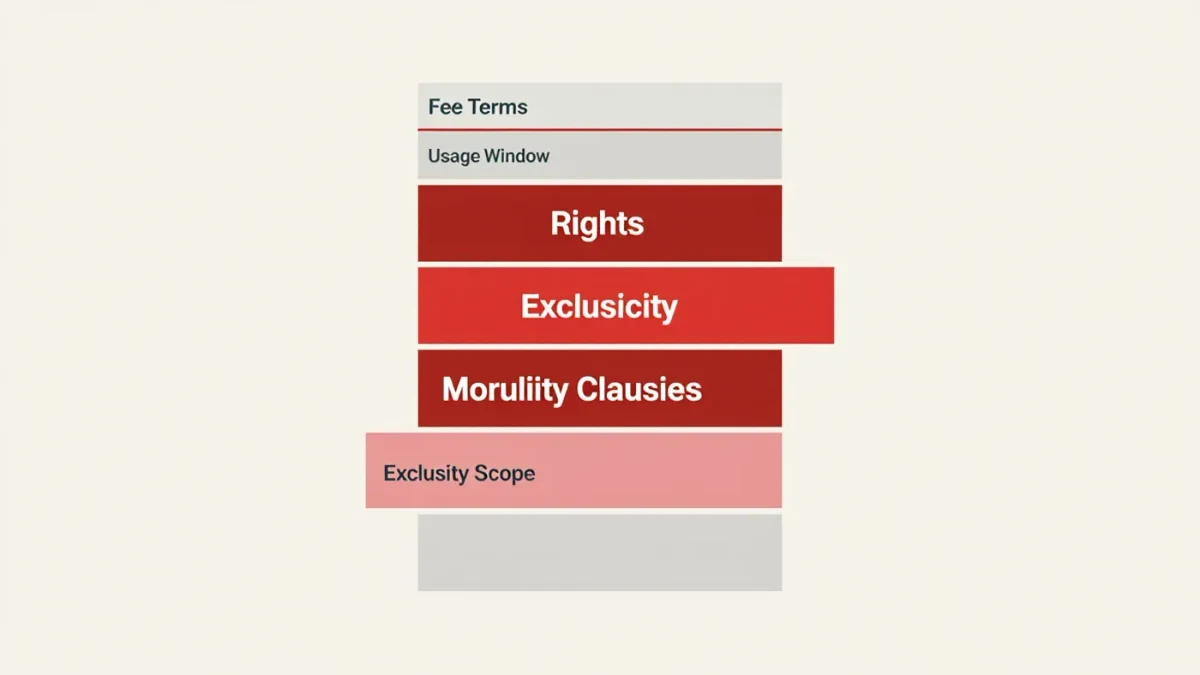
A license is a defined bundle, and teams should request exactly the bundle they will use — broader asks raise refusal rates and narrower asks create accidental infringement later. The standard components are these.
| Right | What it permits | Typical use |
|---|---|---|
| Repost on owned channels | Copy on the brand's social accounts | Organic feed content |
| Paid media use | Placement in ads and boosted posts | Amplification, retargeting |
| Adaptation and editing | Crops, cuts, text overlays, translations | Format fit, localization |
| Off-platform use | Site, email, packaging, retail, out-of-home | Ecommerce, in-store display |
| Exclusivity | Bar the creator from licensing competitors | Campaign anchors, hero assets |
Duration and territory complete the grant. Perpetual, worldwide, all-media licenses are the brand-friendly maximum and the creator-unfriendly extreme; a scoped term with a renewal option clears faster and costs less in goodwill.
How Should Permission Be Requested?
A repeatable request workflow protects both sides and produces an auditable record.
1. Identify the content and check the platform's terms for any restrictions on contacting creators for commercial requests.
2. Send a direct, specific ask: what content, which uses, which channels, for how long, and whether compensation applies.
3. Obtain affirmative written consent in a form the team can retrieve later — a reply in the same thread, a managed-rights platform confirmation, or a signed one-page license.
4. Store the grant with the asset in the DAM, tagged with scope and expiry, so media buyers see permissions at planning time.
5. Credit per the agreement — and if the content depicts an endorsement of the product, ensure disclosures comply with the FTC endorsement guides.
6. Re-confirm before any use beyond the granted scope, including new territories, formats or extensions.
What About Minors, Testimonials and Reviews?
Three special cases raise the stakes. Content featuring identifiable people generally needs the depicted person's consent separately from the photographer's — a creator can license their photo but not someone else's likeness in it, which is what publicity-rights laws govern. Content from minors requires a parent or guardian's consent in most jurisdictions, and platforms restrict minors' commercial features besides. And when customer content functions as a testimonial — a review, a before-and-after, a result claim — the FTC's endorsement guides apply in full: the material connection must be disclosed, and the claim cannot be repurposed to say more than the customer experienced. A five-star review about shipping speed does not license the claim that the product whitens teeth.
Do Tools and Platforms Solve This?
Partially. Managed UGC-rights platforms automate the request-and-permission exchange and store consents, which solves the record-keeping problem, and social platforms have built some native brand-permission flows for specific surfaces. What tools do not solve is scope design — a tool will happily store an under-scoped license — or the special cases above, and template permissions that reference a platform's terms can silently narrow when those terms change. Teams should treat tooling as the filing system and keep the license terms themselves in plain language the marketing team can read without a lawyer on call.
How Does Compensation Change the Picture?
Paying a creator converts a friendly repost into a commercial relationship, and the paperwork should reflect that. Paid UGC is endorsement content, so disclosure obligations apply to the creator's own posts as well as to the brand's use of the material; the license should specify that the creator will keep required disclosures intact. Payment also suggests a contract rather than a one-line reply: usage scope, exclusivity if any, termination terms and re-use fees for extensions. Many teams run two lanes deliberately — free licensed reposts from enthusiastic customers, and paid commissions for campaign assets — because the ask, the approval chain and the legal weight differ. The failure mode is blending them: treating a paid commission as if it were a casual permission, or asking a volunteer for exclusivity without compensating it.
What Records Survive an Audit?
The test is retrieval, not existence. When a creator's representative asks, two years later, on what basis a clip ran in a paid campaign, the team must produce the specific grant in minutes. That means: the original request and reply preserved verbatim, a license record stating scope and expiry attached to the asset, permission flags visible to media buyers at planning time, and a quarterly purge of assets whose terms lapsed. Screenshots with no context, permissions stored in an individual's inbox and verbal approvals noted in a spreadsheet cell fail the test. Teams that pass it treat rights metadata with the same seriousness as image resolution — a distribution-blocking property of the asset, not an administrative footnote.
What Happens When Permission Is Skipped?
The realistic downside chain runs from takedown demands, through cease-and-desist letters and invoice-style retroactive licensing claims from creators, to platform strikes on the brand account — and, for a minority of cases with registered works, statutory copyright damages that dwarf the content's production value. Public blowback is its own cost: creators document unauthorized brand use publicly, and the reputational framing — a company taking customers' work without asking — travels further than the original post would have. Against that chain, a permission workflow costs minutes per asset. The economics are not close, and the teams that treat UGC rights as a marketing operations function rather than a legal afterthought are the ones that get to run customer-content programs at scale without periodic incidents.