The United States' three-year TikTok standoff has formally closed: the divestiture deal restructuring TikTok's US ownership was finalized in late January 2026, with the ban's legal deadline landing on January 22, 2026, per TechCrunch reporting from January 23, 2026. The arrangement, which the White House had framed since September 2025 as a "qualified divestiture," removes the prohibitions of the 2024 divestiture law and hands advertisers the first ban-free planning year since the statute passed.
How did the deal finally land?
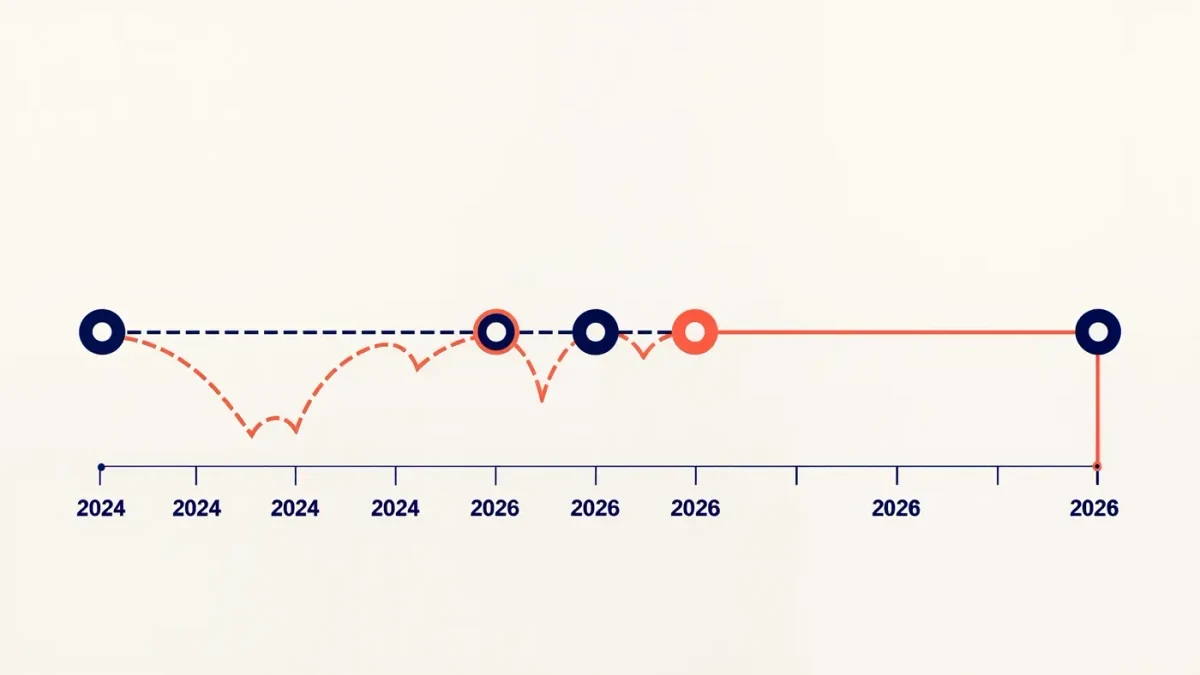
The path ran through four enforcement extensions signed by President Trump, the most recent a 120-day reprieve issued September 25, 2025 that pushed the deadline to January 22, 2026, per USA Today's December 2025 reporting. The de jure nationwide ban had technically been in force since January 19, 2025, even as the app kept operating under non-enforcement. The final structure satisfied the administration's national-security conditions without a full sale of the algorithm to an American buyer, per the White House's September 2025 presidential action describing the framework.
Not everyone considers the file closed. The Center for American Progress has called on Congress to demand the full details of the agreement, citing transparency concerns about the ownership and oversight mechanics, per a CAP statement published in the deal window.
What changes for advertisers?
The immediate effect is planning certainty: media budgets that carried a "TikTok contingency" clause through 2025 can now be committed on a normal 12-month cycle. TikTok Shop investments in particular, which brands had kept hedged against a shutdown scenario, no longer need parallel migration tracks to Reels and Shorts.
The second-order effect is competitive. With the ban premium removed, TikTok has to win budgets on performance merits against Instagram Reels and YouTube Shorts rather than on scarcity-driven urgency — and its US monetization roadmap under the new ownership structure, including how data and algorithm governance are audited, will determine whether advertiser trust follows the legal resolution.
What should marketers watch next?
The open questions are governance and disclosure. How ad targeting data is handled under the national-security arrangements, and what reporting obligations attach to the new US-based oversight entity, remain only partially public — the CAP criticism is precisely about this gap. For marketers, the year's real work is contractual rather than strategic: insert data-handling and algorithm-change clauses into 2026 TikTok commitments, since the deal's implementation details are still being filled in. The platform survived; the compliance paperwork is only starting.