A profile interview becomes narrative when the writer stops transcribing and starts structuring: the quotes are arranged around a story spine, the subject's own words carry the argument, and the Q&A scaffolding disappears entirely. The hardest part is not the interview. It is deciding, afterward, what the piece is about.
That decision comes first. A profile without a controlling idea is a transcript with paragraph breaks. The craft below covers how to prepare, what to listen for, and how to rebuild raw conversation into something a reader finishes.
What makes a profile read like narrative instead of Q&A?
Narrative profiles have a spine: an opening that establishes stakes, a middle that develops tension or contradiction, and an ending that lands on meaning rather than biography. Q&A format hands structure to the questions. Narrative structure hands it to the story.
The practical test is simple. If the piece could be reordered sentence by sentence without damage, it has no spine. If moving the ending would break the argument, it does. The word "essay" traces to the French for an attempt, and the old Latin root behind "art" meant skill or craft, a lineage Wikipedia traces in its overview of how the term separated craft from fine art in the seventeenth century. A profile sits in that older sense: a skill, practiced, with technique underneath the apparent effortlessness.
How should a writer prepare before the interview?
Preparation determines half the piece. Read everything public the subject has said, done, or published. The goal is not to impress the subject with homework. It is to avoid wasting interview time on facts already documented, and to reserve live conversation for what only the subject can supply: motive, contradiction, memory, and reaction.
- Build a timeline of the subject's public record before drafting questions.
- Write questions as prompts, not scripts. A script produces rehearsed answers.
- Plan the last question first. It is the one the subject answers when the recorder is technically still running and their guard is lowest.
- Decide in advance what the profile is competing against. If the subject has been profiled before, the new piece needs a new angle, not new access alone.
The same discipline applies to covering announcements, where the published statement is only the start of the reporting; the pattern is covered in How Algorithm Changes Get Announced and What the Statements Leave Out.
What should the interview itself capture?
Scenes, specifics, and speech patterns outrank opinions. A subject who says "we were exhausted" gives the writer a claim. A subject who describes the specific night the team missed a launch deadline gives the writer a scene. Push for the second.
- Ask for moments, not summaries: "Walk me through the day that happened."
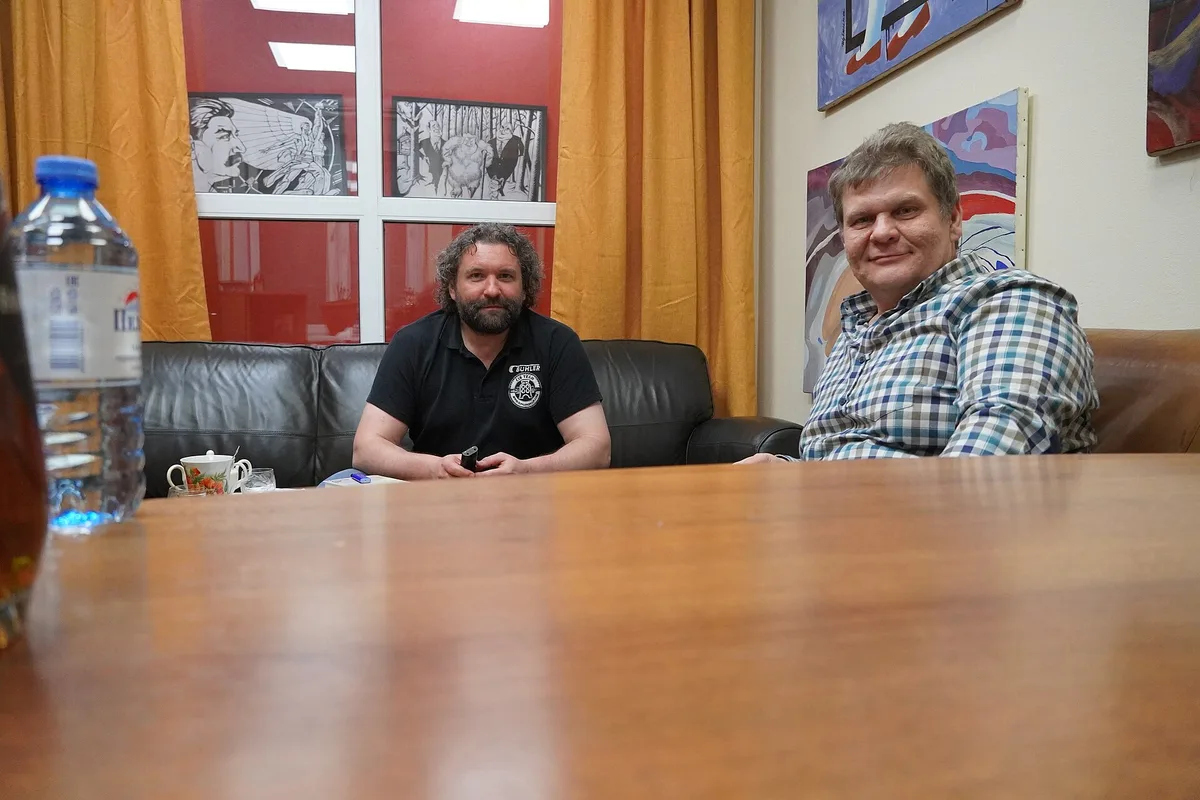
- Note the environment. Where the subject sits, what they fidget with, what is on the wall. Detail earns its place when it characterizes.
- Record verbatim phrasing. Idiolect, the way a person actually talks, is the cheapest authenticity available to a profile writer.
- Follow up on contradiction without accusation. "Earlier you said X, now Y — what changed?" is where profiles find their tension.
Transcribe promptly. Memory smooths hesitation and emphasis, and both matter when the writer later chooses which three words of a forty-word answer to quote.
How does a transcript become a structure?
Start by writing the thesis in one sentence, separate from the draft. Then sort transcript material into three piles: quotes that advance the thesis, quotes that complicate it, and quotes that are merely interesting. The first two piles build the piece. The third is the graveyard of most first drafts.
- Write the controlling idea in one sentence before drafting anything.
- Choose the opening scene or quote that best embodies it.
- Sequence the middle so each section adds new information or deepens the contradiction.
- End on the subject's own words or the writer's own observation, never a summary of the person's résumé.
Paraphrase more than beginners expect. Quote for voice and for claims that lose force in retelling. Paraphrase for logistics and background. A profile that quotes everything reads like a collage; one that paraphrases everything reads like a memo.
What are the common failure modes?
Three recur. The first is the trophy profile: the piece exists to celebrate the subject, every quote flatters, and the reader learns nothing the press release did not say. Skepticism is not hostility; a profile that never asks who benefits from the subject's story has skipped a duty the trade press treats as standard, a stance examined in How to Read Marketing News Without the Hype.
The second is the quote quilt: long blocks of quotation stitched with thin connective tissue, no analysis, no scene. The third is the buried lede: the most interesting fact appears in paragraph nineteen because the writer discovered it late and never restructured. Restructure. The reader will not.
A fourth, quieter failure is the profile written for the subject rather than the reader. The subject will read it. That is a courtesy check, not a target audience. The craft of shaping a feature for its actual readers, including what makes one shareable, is broken down in Cover Story Anatomy: What Makes a Feature Shareable.
What this means for practitioners
Our analysis of the form comes down to sequencing. Interview well, then choose a thesis, then build the structure around it, and the Q&A feel dissolves on its own. Skip the thesis step and no amount of polished quoting will save the draft. Writers covering the broader content beat can find adjacent craft guidance in the site's content section.
The closing check is factual. Every quote must be verbatim, every scene accurate to what was observed or documented, and every claim about the subject traceable to the interview or the public record. Narrative technique is a delivery system for accuracy, never a substitute for it.