
Building a gaming community from scratch feels a lot like starting a guild with zero members and no map. You need a place for people to gather, a reason for them to show up twice, and rules that keep the group friendly instead of chaotic. Good gaming community building starts small, on purpose, and grows through consistent effort rather than luck.
The short answer is this: pick one platform, invite a core group of people who already like each other, give them a reason to return every week, and moderate with a light but steady hand. Everything else — bigger servers, tournaments, fan art channels — grows out of that foundation.
This guide walks through the practical side of gaming community building: setting up a Discord server, running game nights people actually attend, and keeping the group healthy once it starts to grow. None of this requires a huge budget or technical skill. It just requires showing up consistently and paying attention to what your members need.
What Gaming Community Building Actually Means
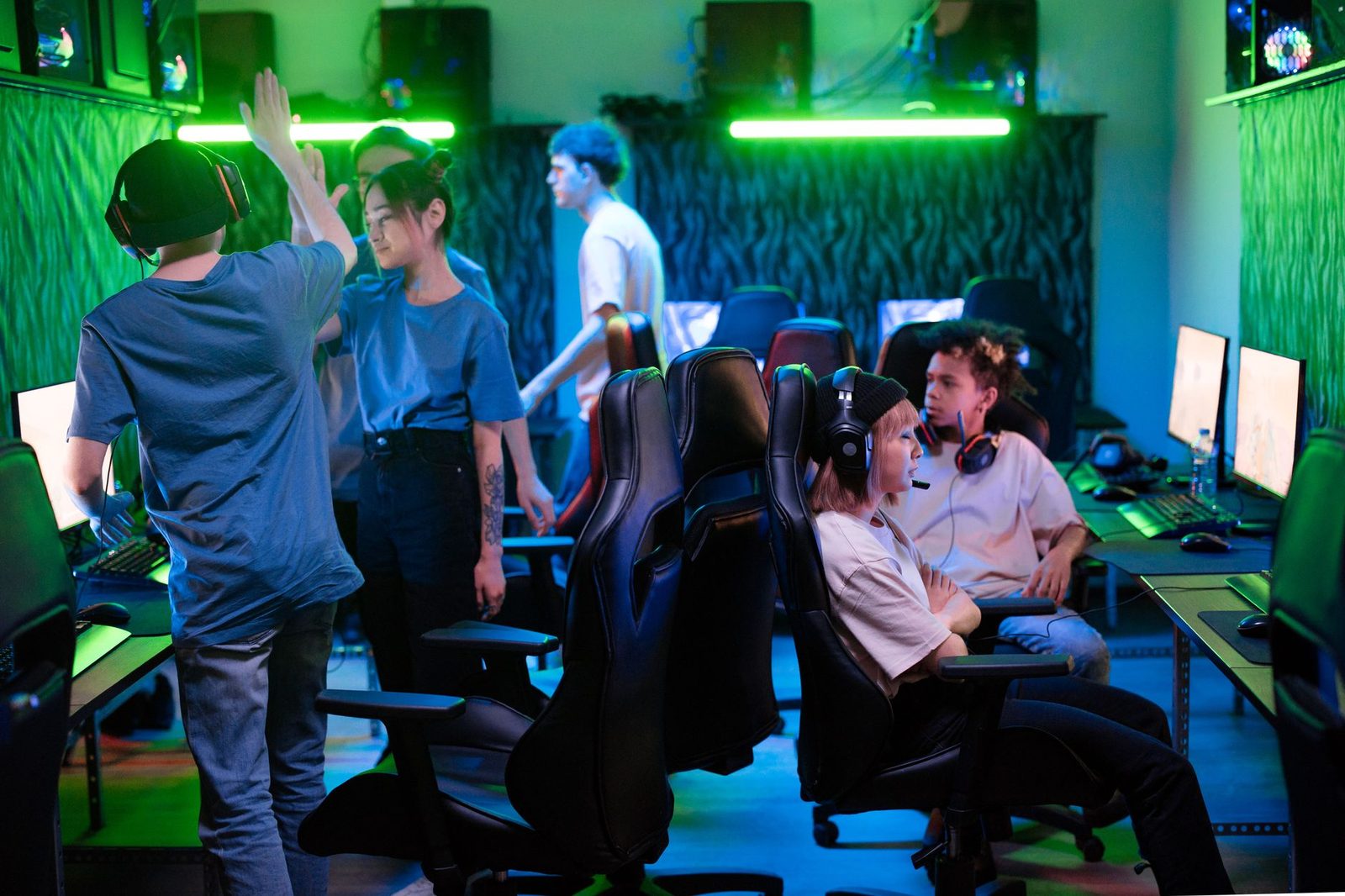
A lot of people think community building just means making a Discord server and inviting friends. That's the easy part. Real gaming community building is about creating a shared identity. Members should feel like they belong to something specific, not just another chat room among thousands.
Think about the difference between a random public Discord with ten thousand silent members and a fifty-person server where everyone knows each other's main character or favorite build. The second group is stronger, even though it's smaller. Size is not the goal. Connection is.
This matters because most gaming groups die within their first few months. Not from drama, usually, but from silence. Nobody posts, nobody organizes anything, and the server quietly becomes a ghost town. Strong gaming community building fights that silence by giving people small, repeated reasons to talk to each other.
Before you set up any tools, decide what your community is actually for. A group built around one competitive fighting game plays very differently than a casual co-op crew that jumps between titles. Naming that purpose early saves you from confusing arguments later about what the group "should" be doing.
Setting Up Your Discord Server the Right Way

Discord is the default home for most gaming groups now, and for good reason. It's free, flexible, and most players already have it installed. But a messy server kills engagement faster than almost anything else.
Start with a small number of channels. A general chat, a channel for looking for a group, a voice channel or two, and a rules channel are usually enough at the start. You can always add more channels later. You can't easily remove clutter once people get used to it.
Write clear, short rules. Long walls of text get skipped. Cover the basics: how members treat each other, what kind of content is off-limits, and how moderation decisions get made. If your community includes younger players, it's worth reviewing general guidance on preventing harassment in online groups, since the same principles that apply to schools and social platforms apply just as well to gaming servers.
Assign a couple of trusted members as moderators early, even in a small server. Waiting until you have a problem to figure out who handles it is a common mistake. Moderators don't need special titles or heavy power. They just need clear guidance on what to do when something goes wrong.
Also, think about privacy. Avoid asking members to share personal details publicly, and be cautious about linking accounts across platforms. Simple habits like these protect your community and reflect the kind of basic online safety advice found on sites like the Federal Trade Commission's consumer resources, which cover general online privacy practices worth applying to any group chat or server.
Organizing Game Nights That Keep People Coming Back
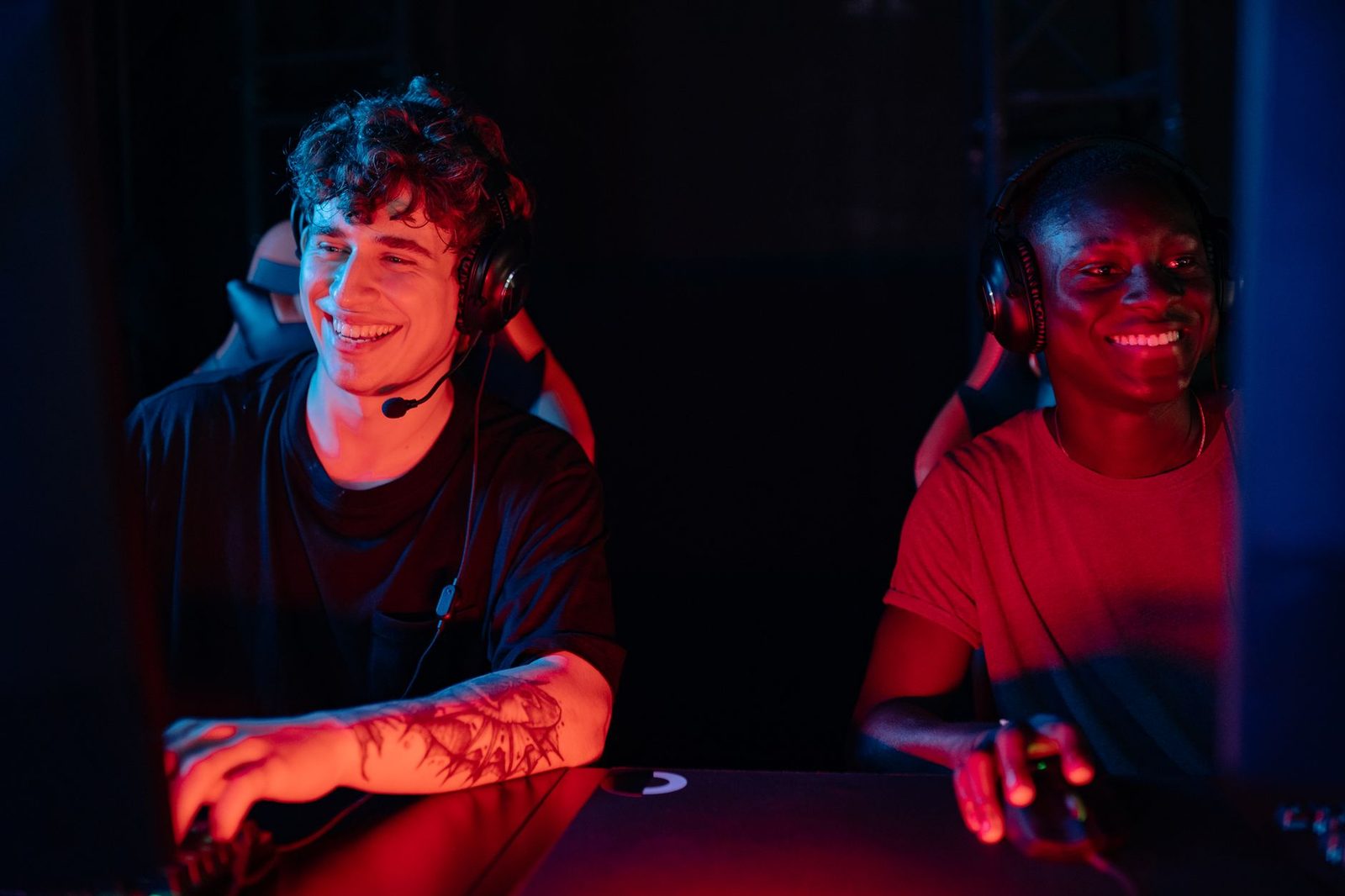
A server without events is just a waiting room. Game nights are the heartbeat of most successful gaming communities. They give members a reason to log on at the same time, which is often the hardest part of any online group.
Pick a regular day and time, even if attendance is small at first. Consistency matters more than turnout in the early weeks. People plan around routines. If your game night happens "whenever," most members will simply forget it exists.
Keep the format simple. A weekly co-op session, a monthly casual tournament, or a rotating "pick the game" night all work well. Avoid overcomplicating the schedule with too many event types at once. One reliable event beats five inconsistent ones.
Announce events a few days ahead, then send a short reminder closer to the time. A simple poll asking who's free removes the guesswork and gives quieter members an easy way to signal interest without typing a full message.
For competitive communities, small in-house tournaments add energy without the pressure of a full bracket event. Even a casual single-elimination night in a fighting game or shooter can spark the kind of friendly rivalry that keeps a group talking for days afterward. This is where gaming community building really pays off, because shared competitive moments create stories people repeat long after the match ends.
Practical Steps for Fostering Engagement and Keeping Your Group Healthy
Engagement doesn't happen by accident. It comes from small, repeated actions that make members feel seen. The following practical steps apply to almost any gaming group, regardless of size or genre focus.
- Welcome new members personally instead of relying only on an automated bot message.
- Ask questions in chat rather than only posting announcements. Questions invite replies.
- Celebrate small wins, like a member's first tournament win or a funny in-game moment.
- Rotate who organizes events so the workload doesn't fall on one person.
- Check in privately with quieter members instead of assuming they're not interested.
Healthy communities also need clear conflict handling. Disagreements over game strategy, banned characters, or scheduling are normal. Problems start when moderators avoid addressing them. Deal with tension early, calmly, and privately when possible. Public call-outs usually escalate situations rather than solving them.
Burnout is another quiet threat, especially for the person running the server. Gaming community building often falls on one enthusiastic organizer who does everything alone. That model rarely lasts. Build a small leadership team early, even if it's just two or three people sharing moderation and event planning duties.
Finally, watch for signs your community's purpose is drifting. If a fighting game server slowly turns into a general chat with no fighting game discussion, that's not necessarily bad, but it should be a conscious choice, not an accident. Revisit your original purpose occasionally and ask whether it still fits the group you've become.
Conclusion
Gaming community building isn't about chasing huge member counts or flashy servers. It's about consistency, clear structure, and genuine care for the people who show up. Start small, set a regular rhythm for game nights, moderate with fairness, and keep engagement personal rather than automated. Do that patiently, and a handful of players can grow into a group people genuinely look forward to logging in for.
For more context, read How Community Management Performance Actually Gets Measured.
For more context, read ukraine.
For more context, read ukraine.